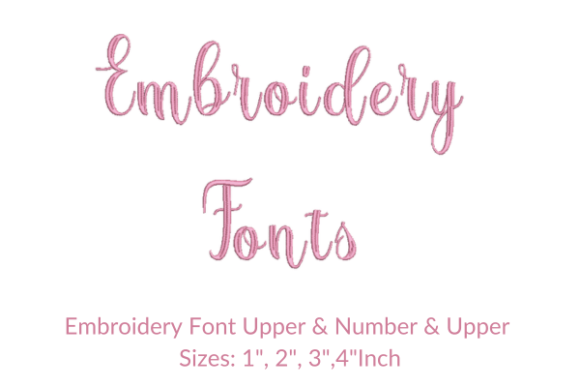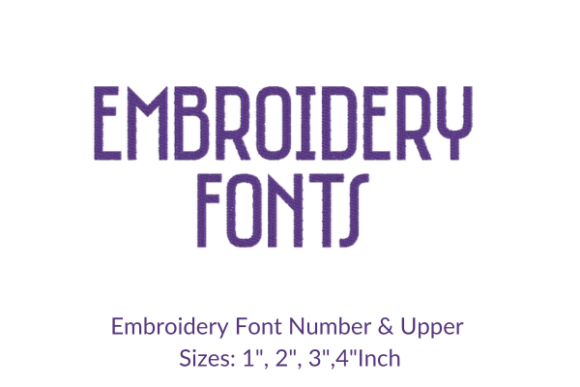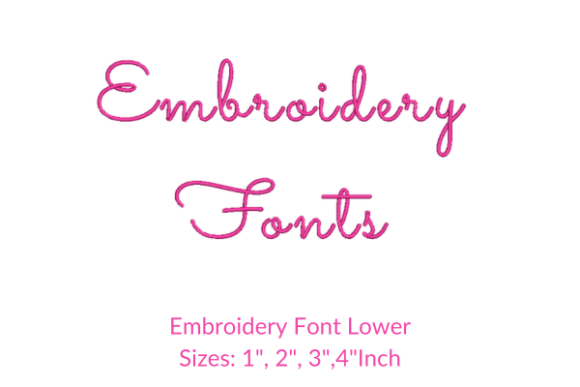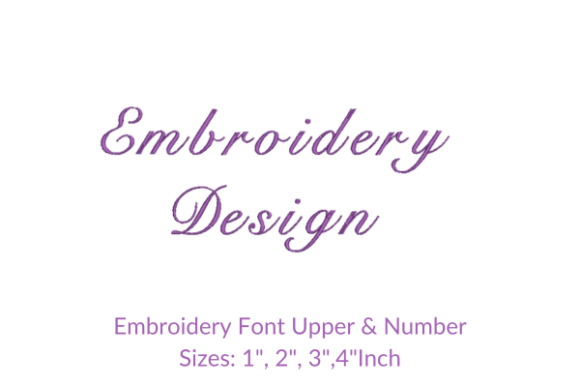
Typo Font Review for Craft Fair Sellers
As an embroidery designer with years of experience in craft fairs and handmade markets, I’ve seen countless machine embroidery designs come and go. But when I first encountered Typo Font, I knew it had potential as a versatile and appealing embroidery file. This high-quality machine embroidery design is ideal for personalizing handmade products with names, dates, or quotes that stand out on fabric.
First Impression: A Modern, Versatile Design
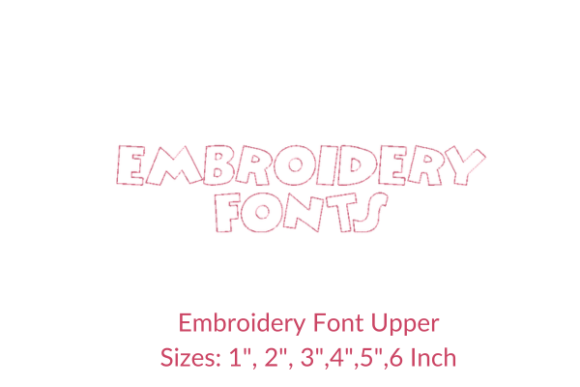
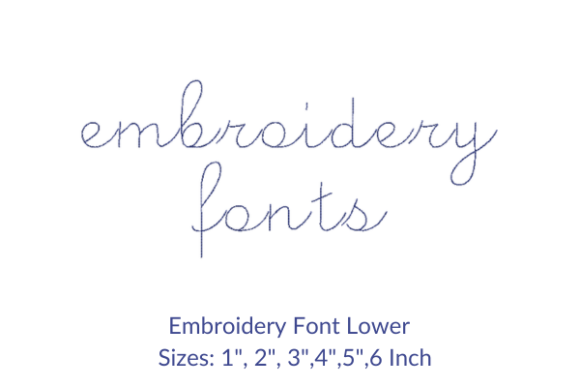
Typo Font has a clean, modern aesthetic that feels both professional and approachable. It doesn’t lean too heavily into any one style—no overly decorative flourishes, no rustic textures, just a straightforward, legible typeface that works across multiple applications. The font appears to be designed with practicality in mind, making it suitable for a wide range of craft fair products like tote bags, aprons, and tea towels.
Its simplicity makes it easy to recognize at a glance, which is crucial for attracting customer attention in a busy booth. Whether you're showcasing tote bag designs or apron embroidery, Typo Font can serve as a strong focal point without overwhelming the overall look.
Typo Font on Different Products
One of the strengths of Typo Font is its adaptability. It performs well on various fabrics, from smooth cotton to textured linen. For example:
- Tea towel embroidery using Typo Font looks sharp and readable, especially when paired with contrasting thread colors.
- Embroidered patch applications show off the font’s clarity, making it great for small, detailed work.
- Pillow covers and market bags benefit from the font’s boldness, giving them a polished, finished look that appeals to buyers looking for quality handmade items.
On caps, Typo Font can be used as a subtle accent or a larger statement piece, depending on how it's scaled. Its versatility means it can be adjusted to fit different sizes and surfaces, making it a valuable addition to your design assets.
Practical Selling and Production Considerations
From a production standpoint, Typo Font is likely to be user-friendly. It should photograph well for Etsy seller listings, especially if you use high-contrast thread colors against light or dark fabrics. However, keep in mind that some details may get lost when the font is scaled down, so it’s best to test it on smaller samples like small shop product patches or tags.
When producing in bulk, Typo Font should be repeatable, but you’ll want to check stitch density and ensure the design isn’t too dense in certain areas. This will help prevent puckering or distortion on thicker fabrics like denim or canvas.
Careful-Use Notes for Embroidery Designers
While Typo Font is a solid choice, there are a few things to consider:
- Dense stitch areas may cause issues on delicate or stretchy fabrics—test on scrap material first.
- Tiny details or very small lettering might not hold up well on textured surfaces like towels or thick cotton.
- Curved cap surfaces could challenge the font’s readability, so adjust the size accordingly.
- Dark fabric may require a lighter thread color to maintain visibility.
These notes are essential for ensuring that your finished product meets customer expectations and maintains the quality associated with handmade items.
Impact on Visual Appeal and Customer Engagement
Typo Font adds a level of sophistication to your handmade product line that can elevate the perceived value of your items. It creates a sense of professionalism that resonates with customers looking for quality and uniqueness.
At a craft fair, this font can make your booth stand out by offering a cohesive, stylish look across multiple products. Whether it's a printable mockup or a fully embroidered item, Typo Font supports brand consistency and helps build recognition among regulars and first-time visitors alike.
Embroidery Designer Tips for Using Typo Font
If you're planning to use Typo Font in your next project, here are a few key steps to take:
- Test the design on scrap fabric to see how it looks before committing to a full batch.
- Check thread contrast to ensure the font stands out on different fabric colors.
- Review spacing to avoid overcrowding, especially on smaller items like patches or tags.
- Confirm hoop size requirements to make sure the design fits your machine.
- Inspect stitch density to avoid issues on thick or textured materials.
- Use the right stabilizer for the fabric you’re working with.
- Create at least one real mockup to see how the font translates in the real world.
- Compare fabric colors to ensure the font remains visible and appealing.
- Confirm commercial licensing before selling finished products to avoid legal issues.
Final Thoughts: A Solid Choice for Handmade Sellers
Typo Font is a reliable and flexible machine embroidery design that offers a modern, clean look ideal for a variety of craft fair products. Its ease of use, visual appeal, and adaptability make it a valuable tool for Etsy sellers, boutique makers, and anyone looking to add a professional touch to their handmade product line.
With proper testing and consideration for fabric types and production needs, Typo Font can become a staple in your digital embroidery file collection, helping you create eye-catching, high-quality items that resonate with customers and stand out in a competitive market.